Start from the symptom
Samsung refrigerator frost buildup.
Samsung says frost is warm, moist air getting in and freezing. The usual causes are a door that does not fully close, hot food, frequent door openings, blocked vents, a worn door seal, or, around the ice bucket, a gap at the ice chute or a flap that is not sealing. In most cases Samsung says service is not required.
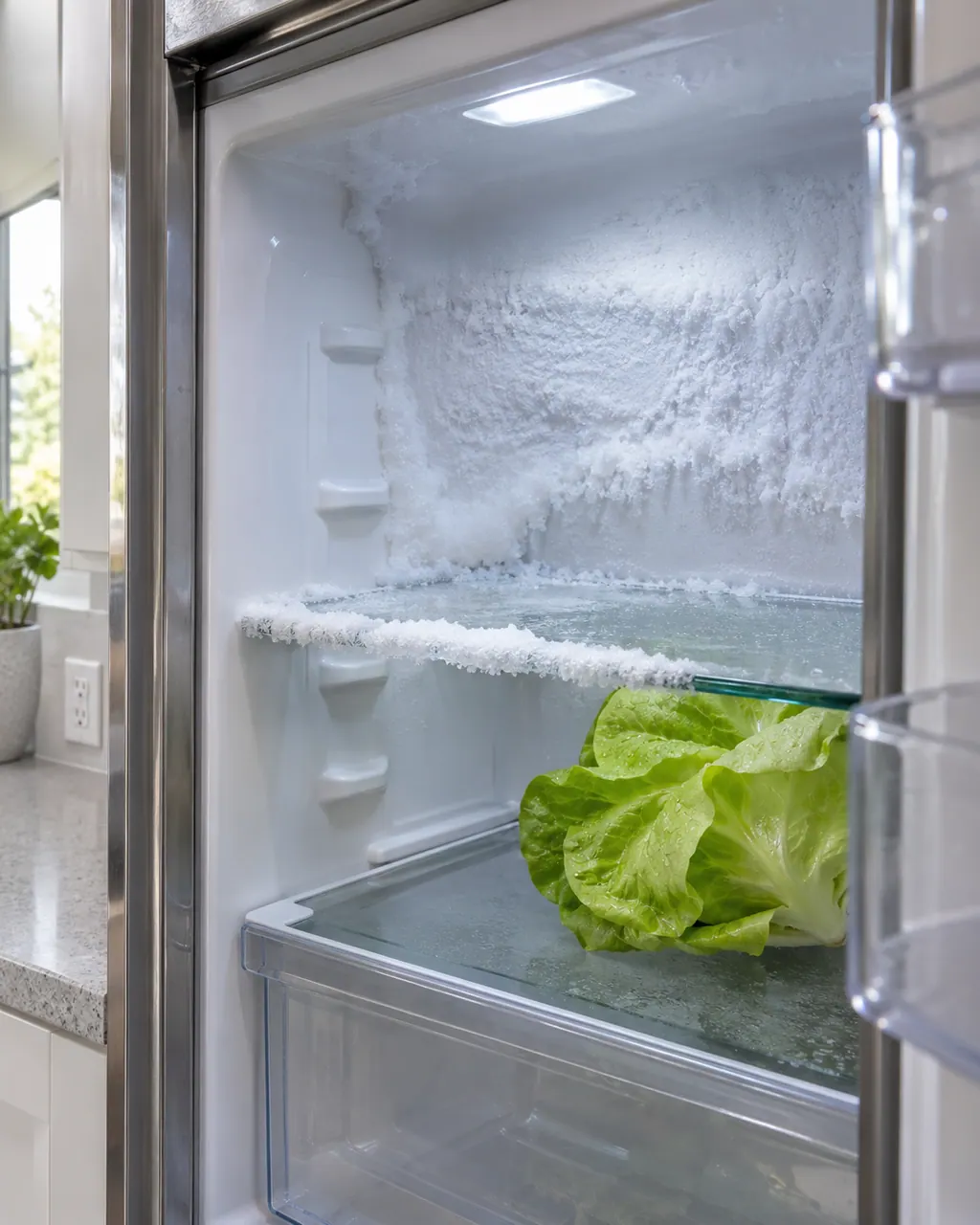
Start with safe observations.
Switch the appliance off and unplug it before any check of your own. Look out for pooled water and jagged debris. Never touch a wet plug or an electrical area, take off a service panel or go past what your model's owner instructions allow.
- 1
Find where the door will not close
Overfilled shelves are a common reason. Put a flashlight inside and close the door: light leaking out marks the gap.
- 2
Keep two inches clear at the back vents
If moisture cannot leave, it freezes. Frost on the vents blocks airflow even after you move the food.
- 3
Let hot food cool first
Hot items cause frost in humid climates and warm their neighbors.
- 4
Clear frost safely
Wipe light frost with a damp cloth, then dry it. Use a plastic scraper on thicker patches. Never use a hair dryer, which can damage the refrigerator.
- 5
Check the door seal
Use warm water with a little soap, then wipe it dry. A seal pulled out of its channel can be pushed back in. A ripped or split seal needs repair.
- 6
Ice bucket frost
With the left door shut, look for a gap between the bucket and the ice chute, level the refrigerator, check the bucket seal and look at the black chute flap for ice or debris.
Systems a technician may investigate.
Nothing is named as a part until we have tested the refrigerator in place. You see the price and say yes before an order goes in.
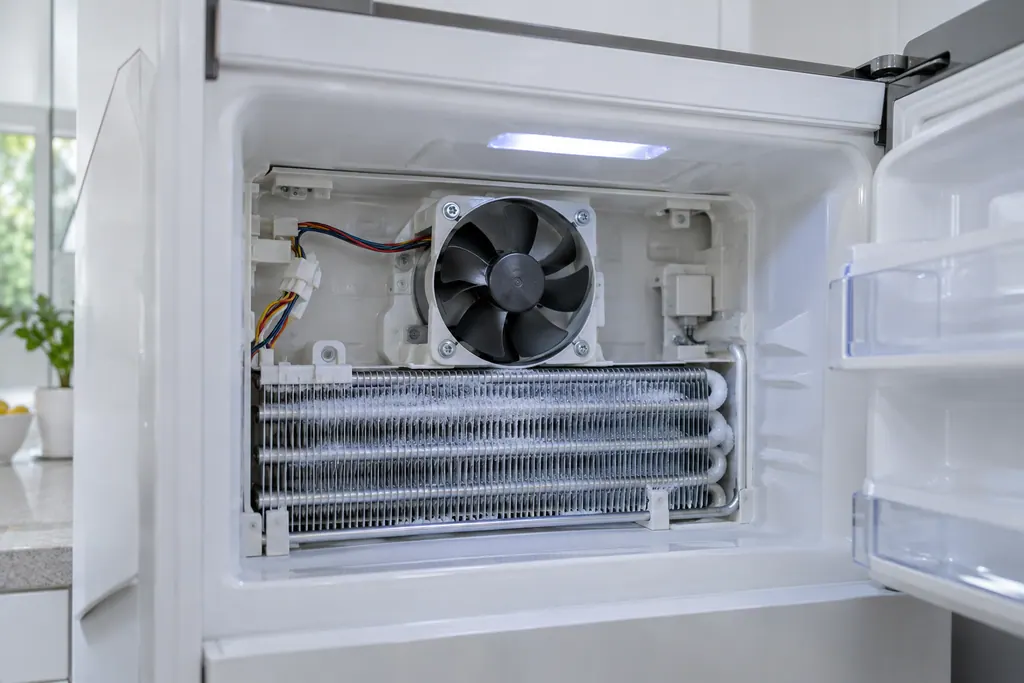
Refrigerator fan motor
Samsung's 21E, a freezer fan error, means the electronics sense no turning feedback from the fan. Samsung says the fan is usually frozen up, after a door was left ajar or because of a gasket gap. It could also be fan motor failure. Defrost it and check the door seal.
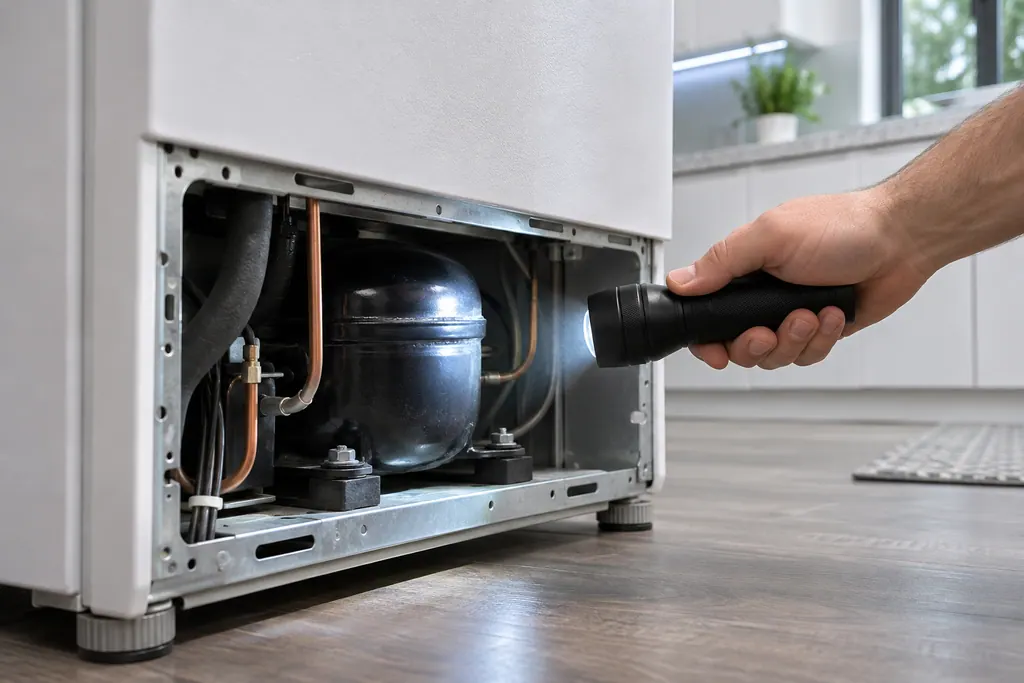
Refrigerator compressor
Samsung names the compressor in four refrigerator codes: 83E (abnormal current), 85E (under voltage), 86E (over voltage) and 84C (compressor lock). For the first three, unplug or switch off for 60 seconds, then restore power. 84C has a name only.
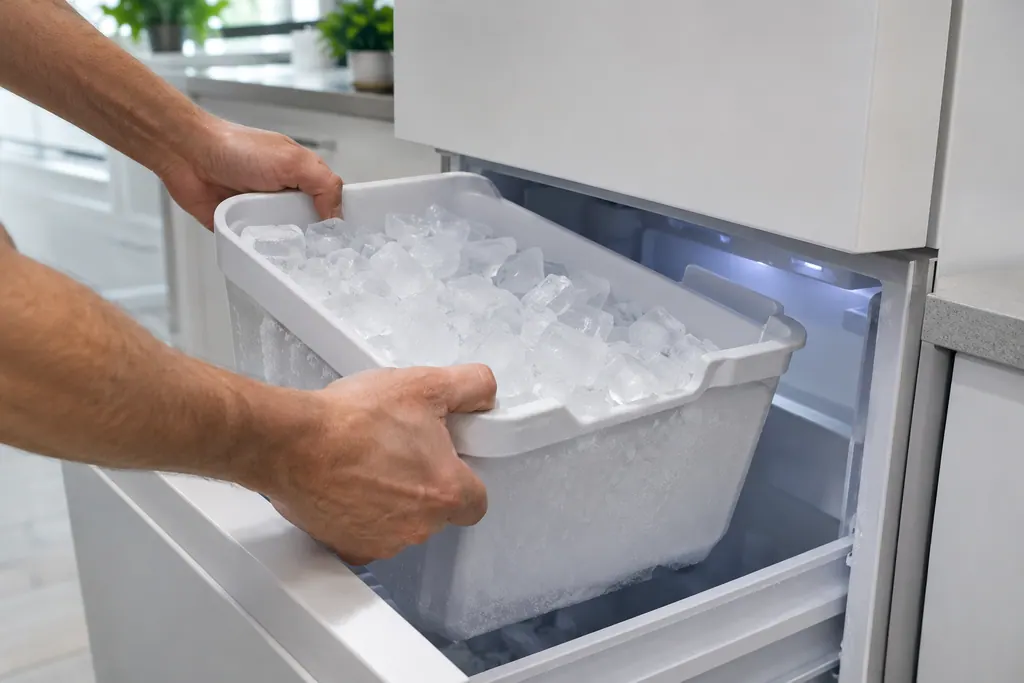
Refrigerator ice bucket
Samsung says a blinking Ice Off means the ice bucket is not inserted correctly, or not inserted at all. Seat the bucket firmly and the indicator should settle. If it keeps blinking with the bucket in place, book a technician.
If the display adds a code.
No code leads directly to this topic.
No other researched dishwasher code links to this topic. Compare the exact message with your model's manual instead of swapping in a different code from the library.
See the research statusRead the related care guide.
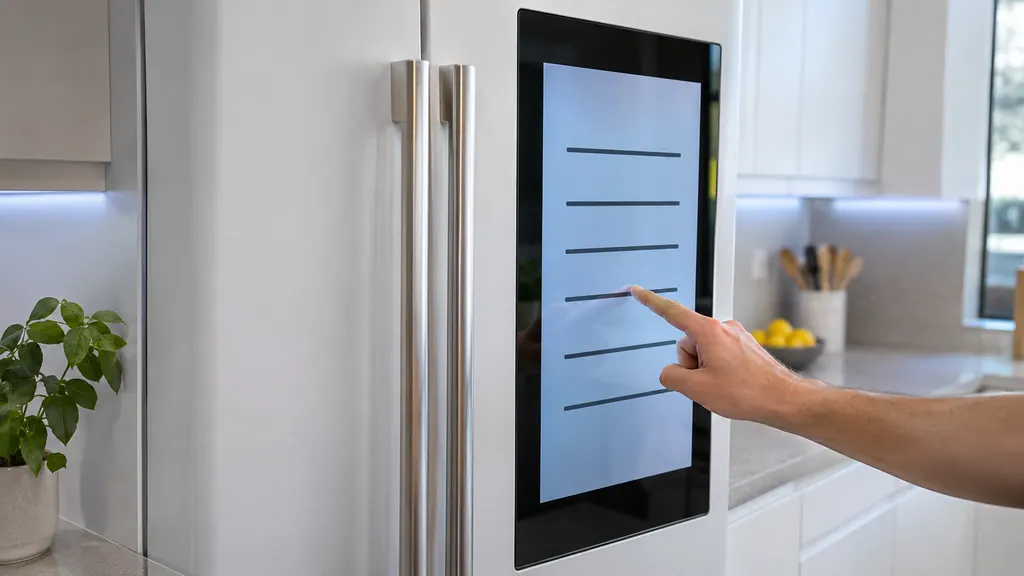
Samsung Family Hub error codes: run Self Check first.
On a Samsung Family Hub, open Apps, Fridge Manager, Fridge Settings, Self Check and tap Start. The panel then lists current or past error codes. Read and write them down before you do anything else: Samsung says not to unplug the fridge or press panel keys to clear a code. [1]
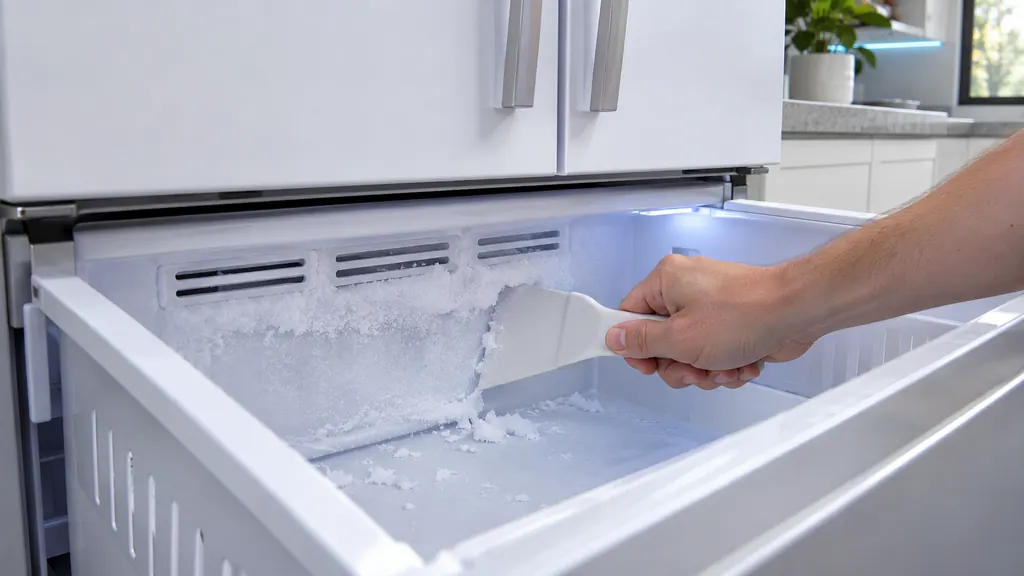
Frost means warm air is getting in. Find the gap.
Frost means warm moist air is getting in. Check that the door closes fully, open it less, let hot food cool first, keep 2 inches clear in front of the vents, clean the door seal and clear the frost by hand, never with a hair dryer. If it returns, or a seal is damaged, book a visit. [1]
When observation becomes a service request.
Leave internal testing to a technician.
Frost returns after you clear it and fix the door closing.
The door seal is torn or split.
The ice dispenser flap will not seat flush.
Frost is too heavy to clear by hand and needs a full defrost.
Arrange a diagnosticSources and model boundaries.
These sources stand behind the Samsung refrigerator frost buildup advice. Choose the manual that fits your model.
- Frost forms in the Samsung freezer, refrigerator, or ice bucket
Follow the user manual for your exact model. See how we research these pages.
What lets frost form in my Samsung freezer?
Samsung explains that warm, moist air enters and freezes. Frequent door openings, hot food, blocked vents or a door held open by overfilled shelves are the usual ways it gets in.
Can I use a hair dryer to melt the frost?
No. Samsung warns that a hair dryer can damage the refrigerator. Wipe light frost with a damp cloth, scrape thicker frost with plastic and defrost the unit if it is heavy.
Why is my ice wet or slushy?
Samsung links this to frost around the ice bucket: a gap at the ice chute, a bad bucket seal or a flap held open by ice. Warm air gets in, causing the frost and the slush.
How long should the door stay open?
Samsung's tip is under a minute at a time, once an hour or less. Frequent, long openings let in the moisture that becomes frost.
Samsung codes, symptoms, parts, house calls
From the message to what comes next.
Samsung refrigerator frost buildup
Samsung says frost is warm, moist air getting in and freezing. The usual causes are a door that does not fully close, hot food, frequent door openings, blocked vents, a worn door seal, or, around the ice bucket, a gap at the ice chute or a flap that is not sealing. In most cases Samsung says service is not required.
Refrigerator repair
Book a diagnostic for your exact model, carried out beside the appliance.
Find your metro
Office details, and the access notes to send us.